Creativity in the Classroom: Meet the 2026 CATO Award Winners
“Children must be taught how to think,” said America’s best-known anthropologist, Margaret Mead. “Not what to think.”
The best teachers don’t want students to merely memorize facts. They encourage them to question what they read and hear and to verify information rather than presuming it’s accurate. Ultimately, they are preparing students to become conscientious, responsible citizens and to be lifelong learners.
The 2026 CATO Excellence in Teaching and Lifetime Achievement in Teaching Awards honorees share Mead’s philosophy. They understand how vital critical thinking is — not only to a student’s long-term success, but for our communities and the world at large.
The CATO education awards, established in 2010, honor exceptional educators in public or independent schools who teach Pre-K through 12th grade. It’s open to educators who teach the arts, sciences or history in Mecklenburg, Cabarrus, Gaston, Iredell, Lincoln and Union counties in North Carolina and Lancaster and York counties in South Carolina.
CATO Excellence in Teaching Awards
Six educators are selected annually for this honor, and they each receive $1,500 to be used in whatever way they choose. These six educators were chosen as 2026 CATO Excellence in Teaching Award honorees:
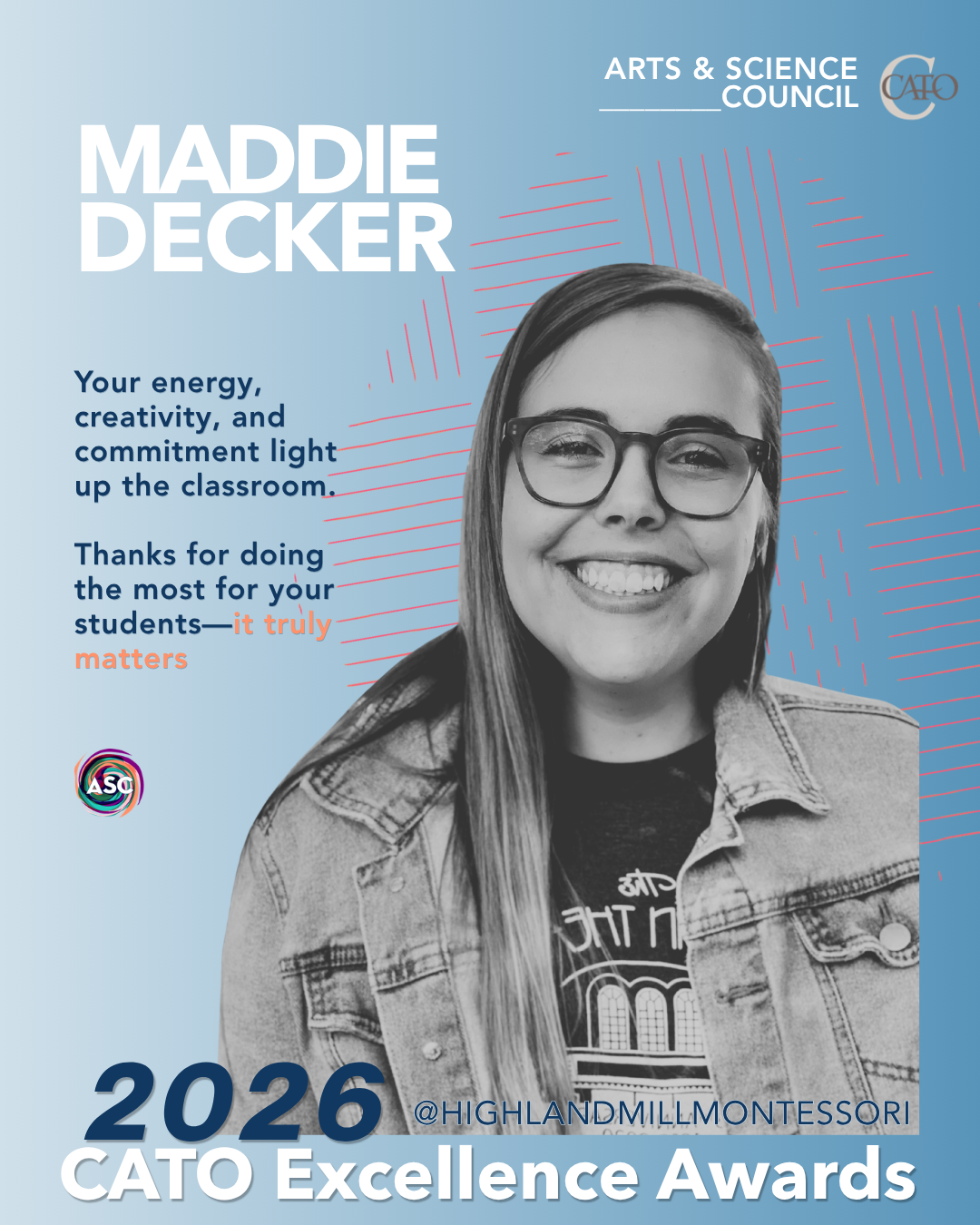
- Maddie Decker: General Classroom, Highland Mill Montessori School (CMS)
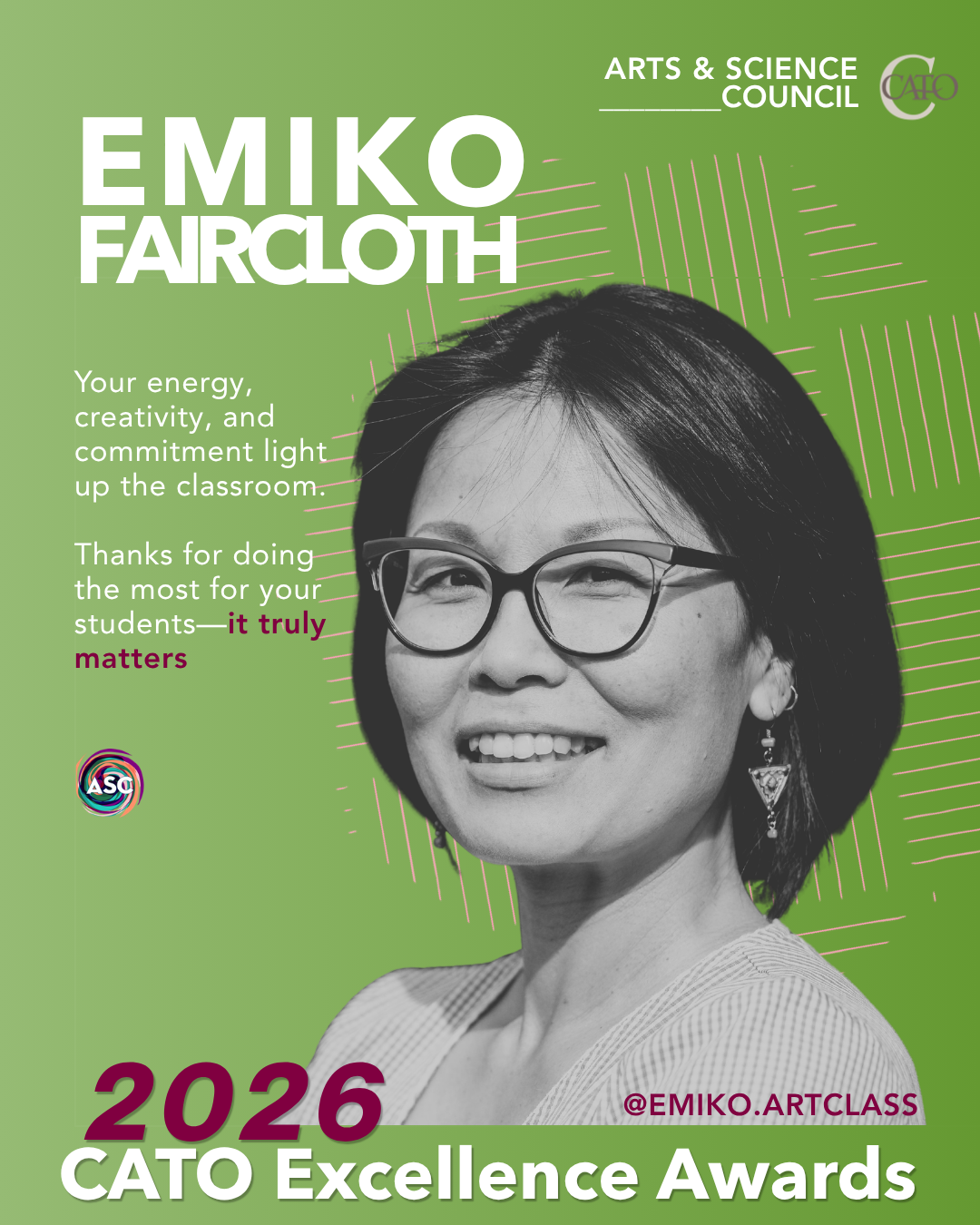
- Emiko Faircloth: Visual Arts, Chantilly Montessori School (CMS)
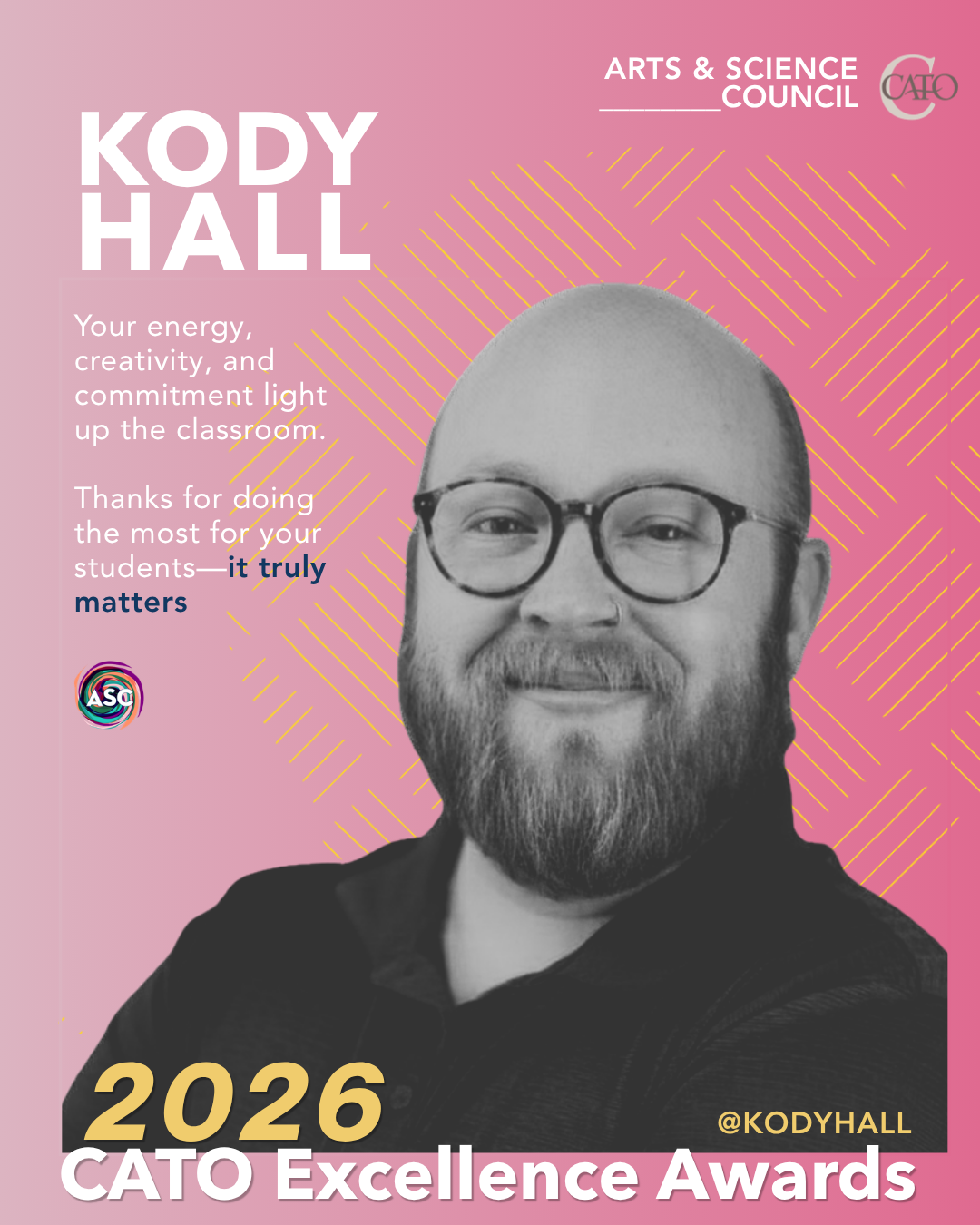
- Kody Hall: Media Arts, Mallard Creek High School (CMS)
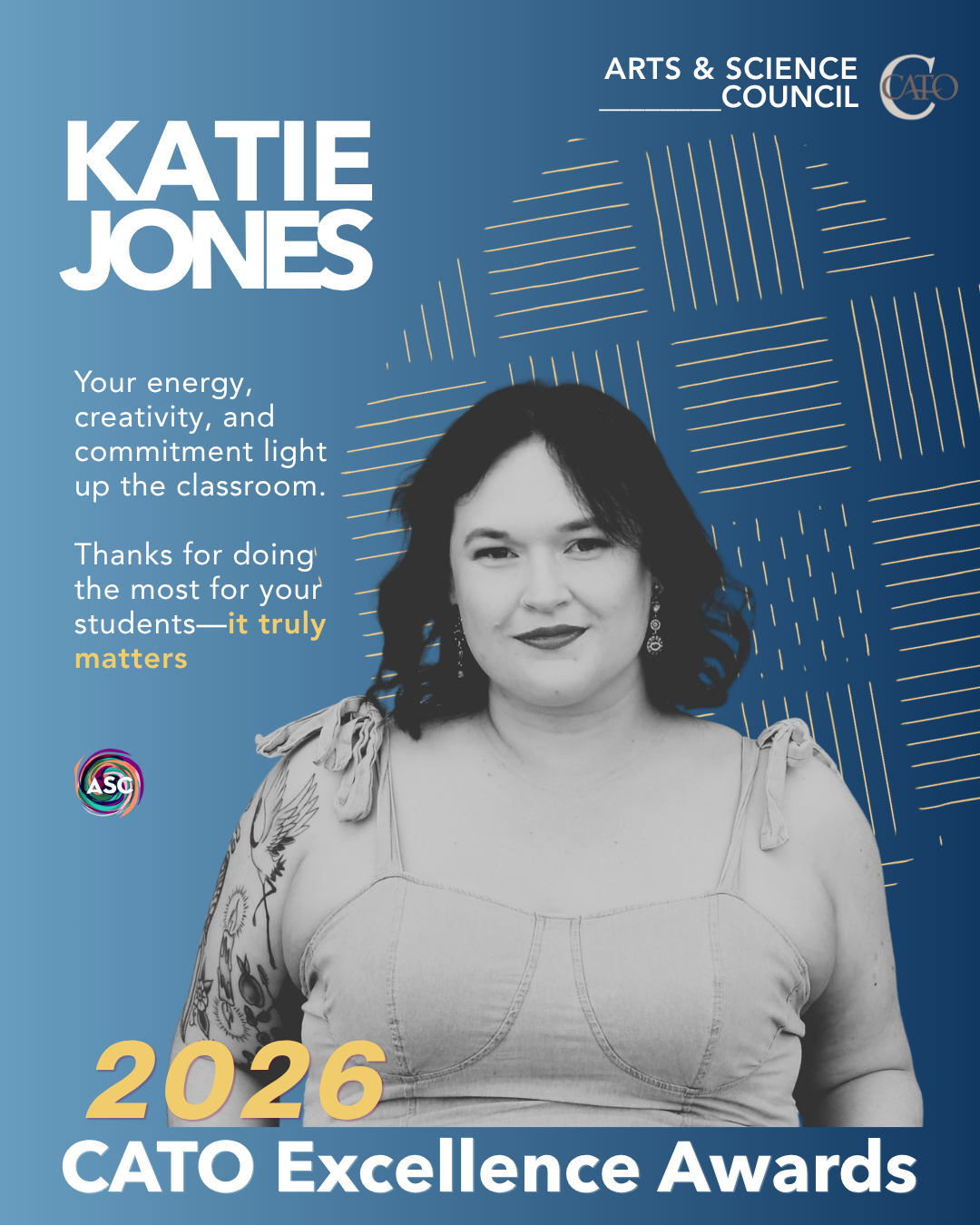
- Katie Jones: Theater, McClintock Middle School (CMS)
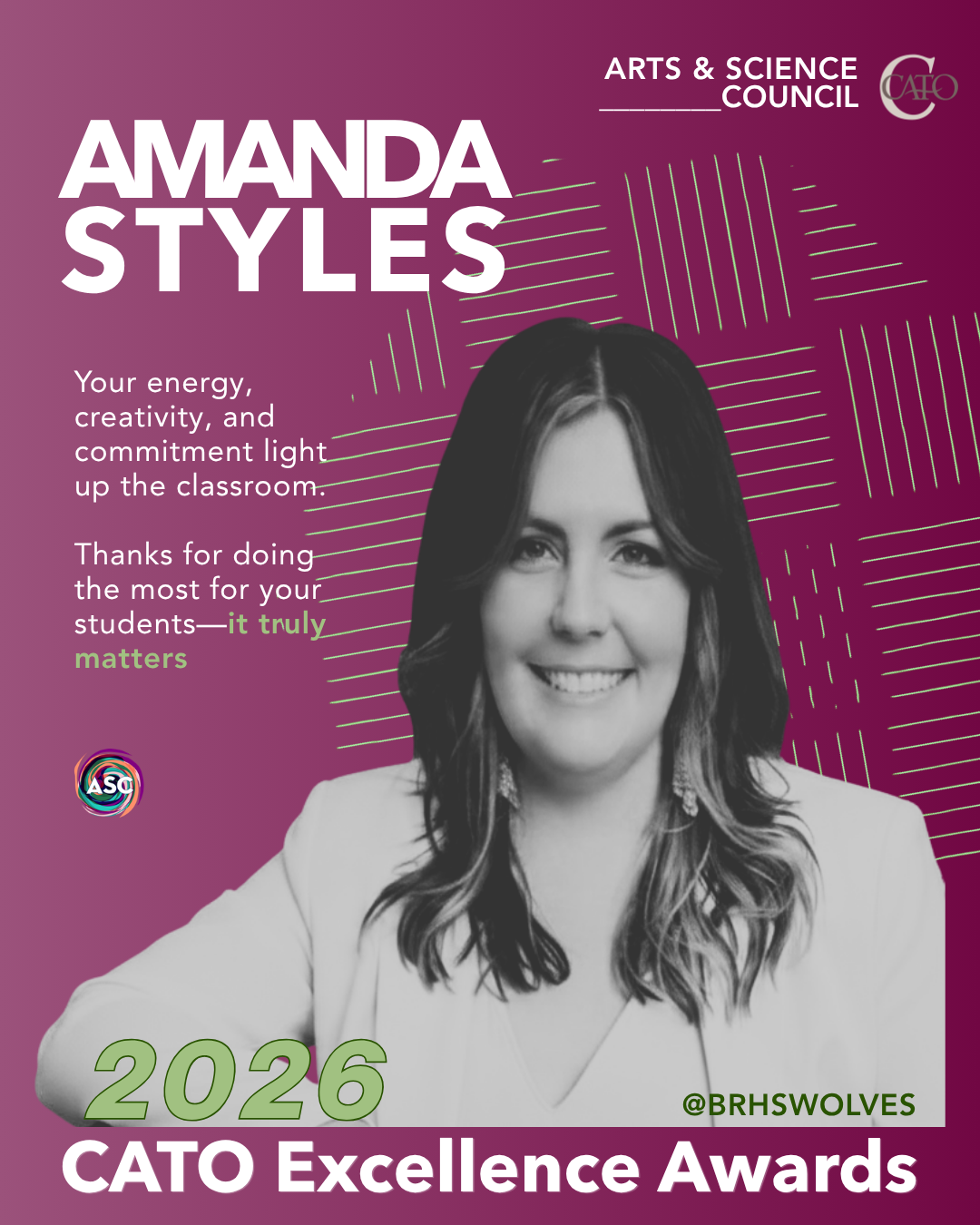
- Amanda Styles: Social Studies, Ballantyne Ridge High School (CMS)
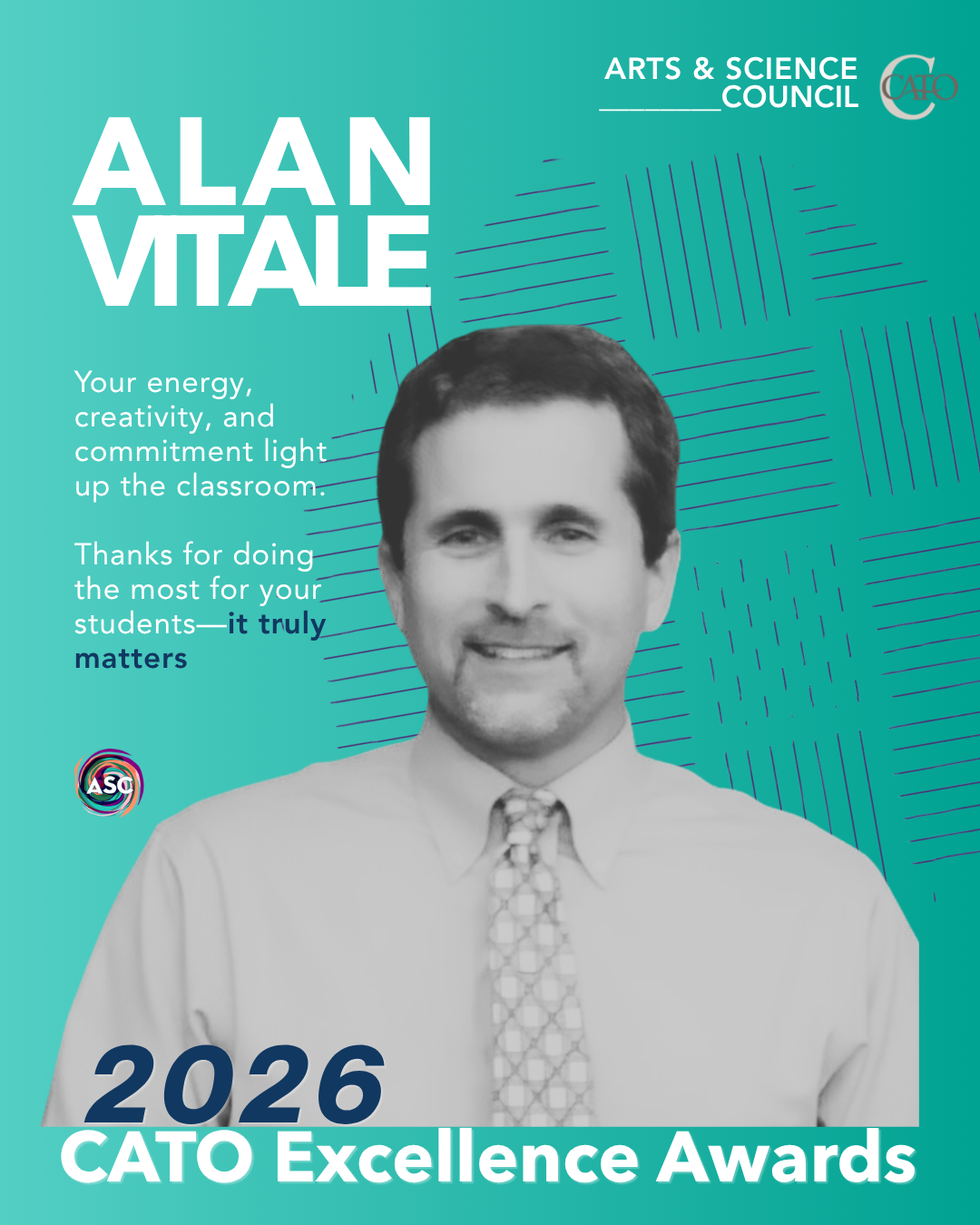
- Alan Vitale: Social Studies, Northwest School of the Arts (CMS)
For a list of past honorees, visit the CATO Excellence in Teaching Awards page of ASC’s website.
CATO Lifetime Achievement in Teaching Awards
The CATO Lifetime Achievement Award honors educators with more than 15 years of distinguished, creative teaching experience and a demonstrated commitment to integrating other applicable disciplines into teaching their subject. Each recipient receives $5,000 of unrestricted support for their achievement.
“The Lifetime Achievement honorees are truly trailblazers,” said Ashley Johnson Lam, program officer for ASC’s Arts and Education Partnerships. “They aren’t just masters of their subjects, but masters of innovation. They are held in the highest regard by their students and colleagues.”
Three educators were named 2026 Lifetime Achievement honorees:
- Richard Harris: Literature, Charlotte Latin School
- Melissa Leftwich: Visual Art, Jay M. Robinson Middle School (CMS)
- Greg Lekavich: Social Studies, Gaston Day School
For a full list of past honorees, visit the CATO Lifetime Achievement Award page of ASC’s website.
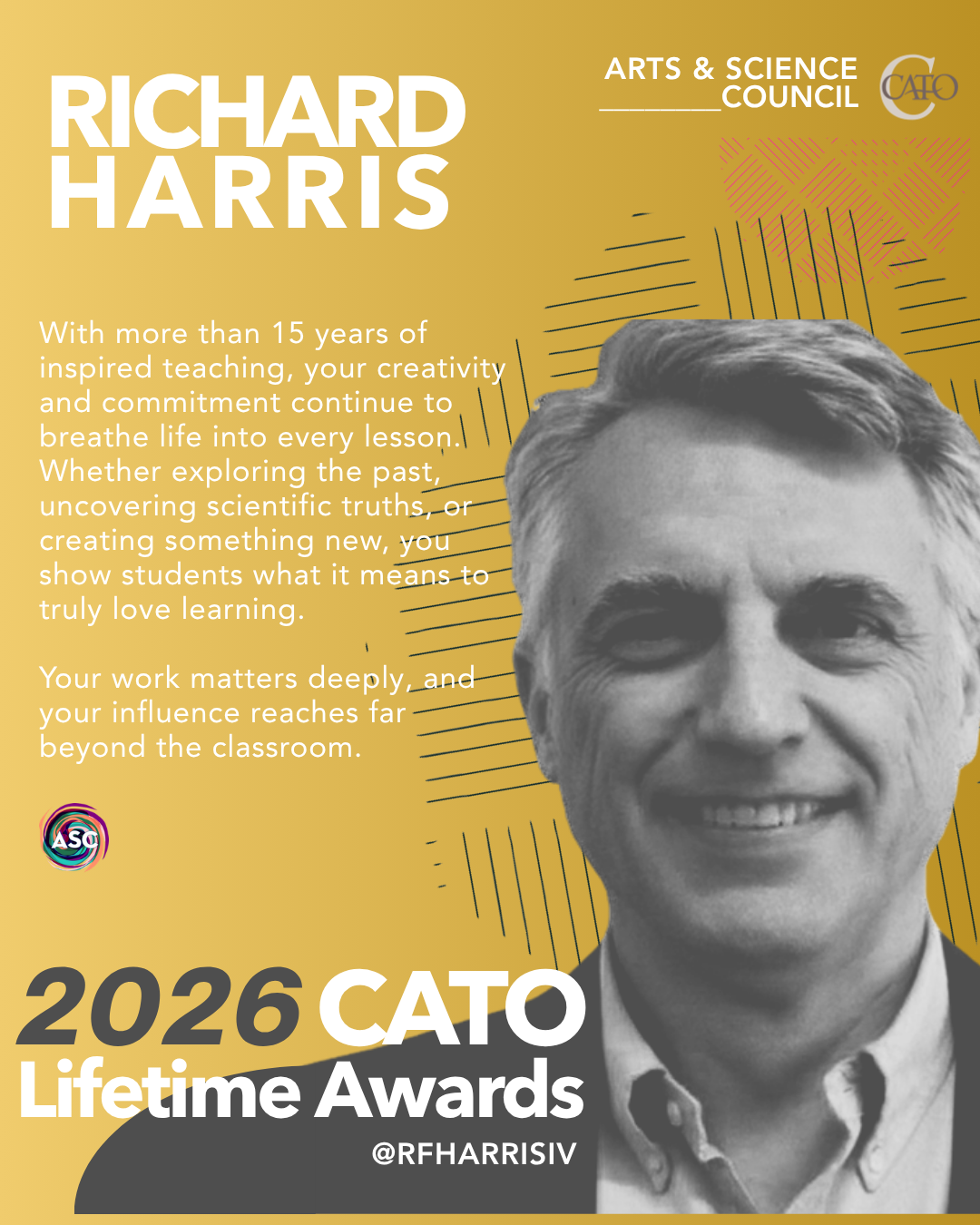
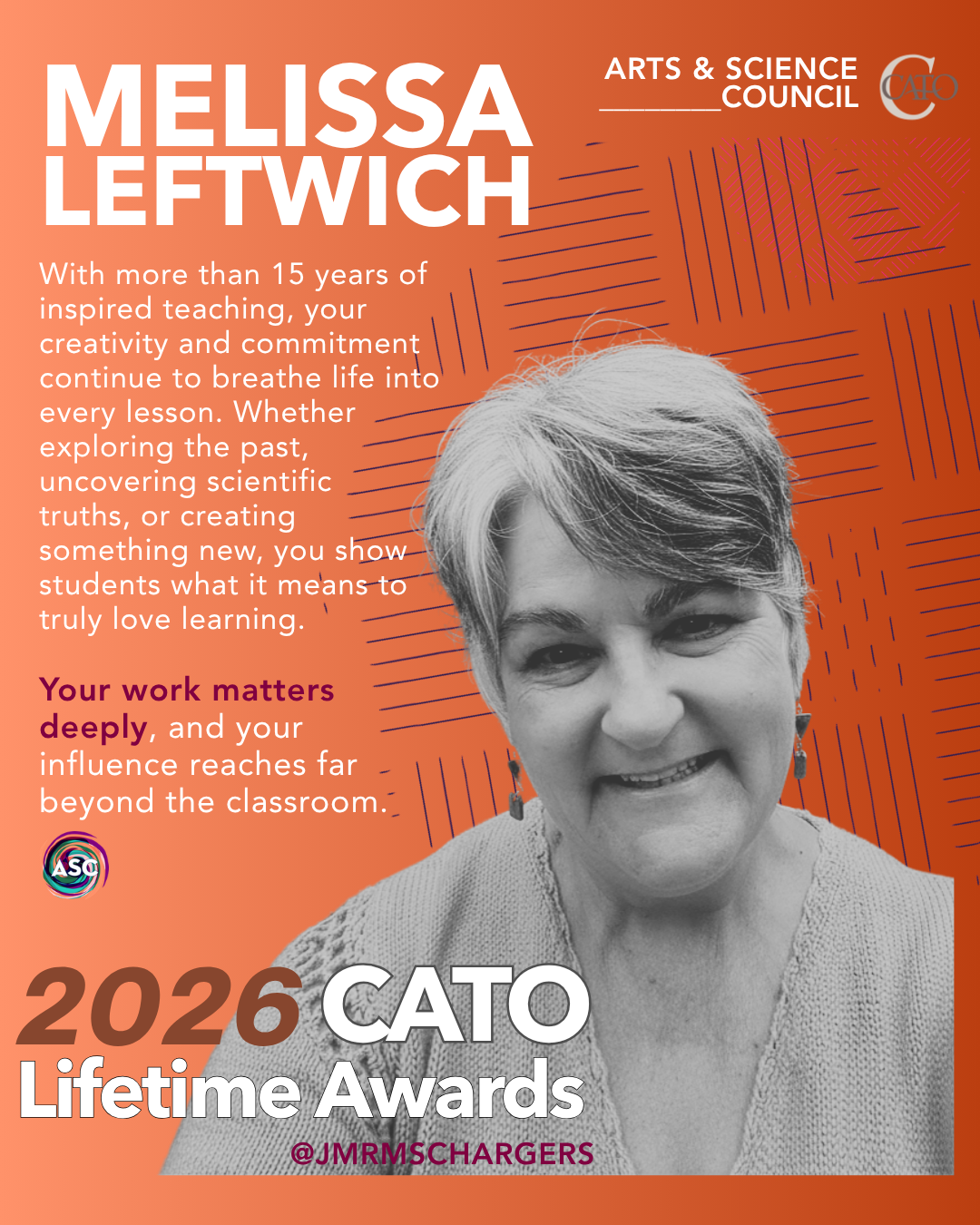
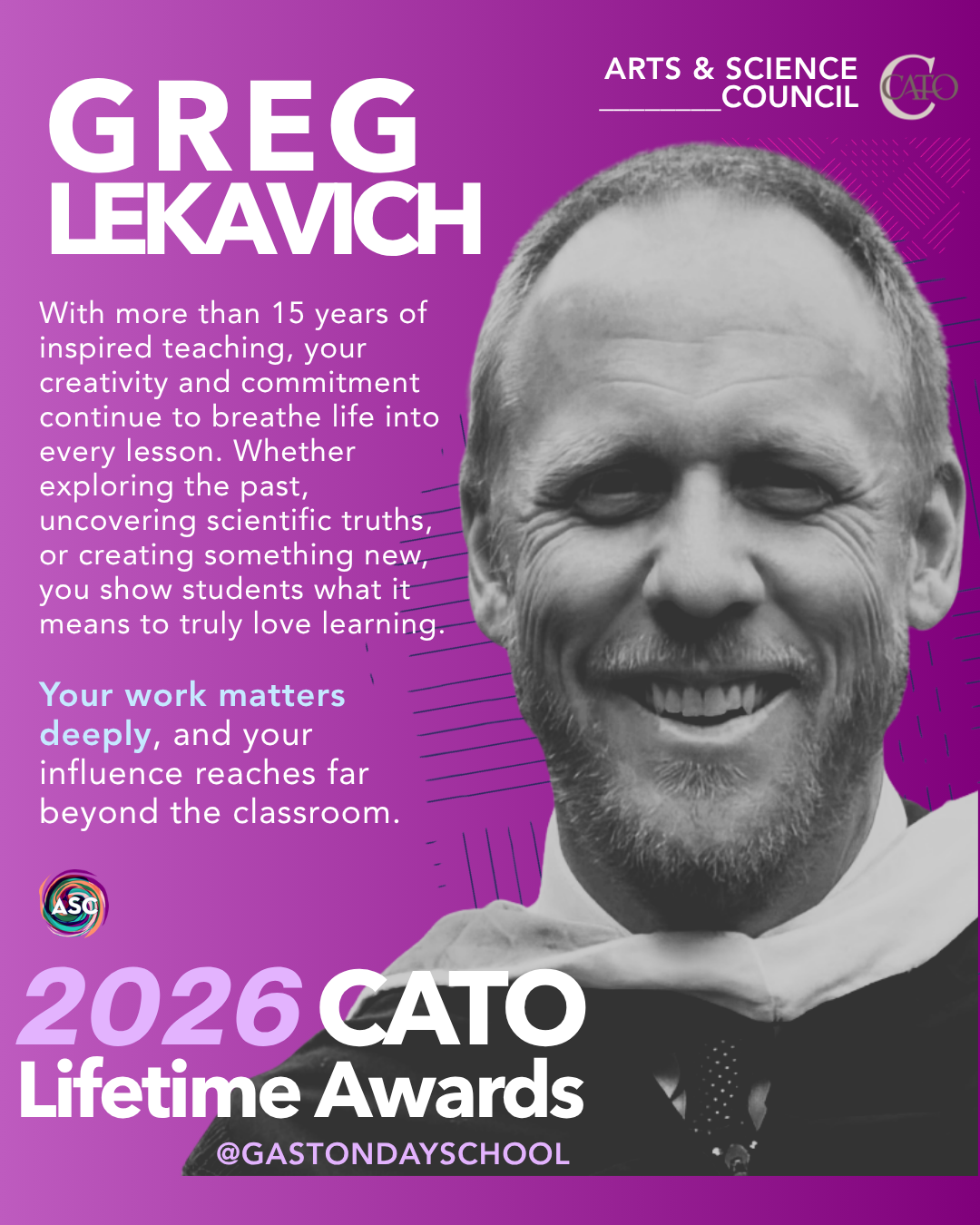
Here’s more on how the Lifetime Achievement honorees are making a lasting impact on students:
- In the 30 years he’s been teaching, Richard Harris has always been a big believer in experiential learning. For him, that often means moving beyond the classroom.
And sometimes high above it. He and two Charlotte Latin colleagues took students to the top of Crowders Mountain for a lesson on the Hudson River School of en pleine air painters. Harris asked students to write about visual artwork using William Cullen Bryant’s poem, To a Waterfowl, as inspiration. “Taking them to a mountain peak and having them see the world from that perspective changes things,” he said.
Cross-curricular lessons are part of Harris’ personal pedagogy. He often integrates music into his lessons. To teach the James Baldwin short story, Sonny’s Blues, he showed students footage of jazz great Thelonious Monk on the piano. He wanted students to hear the similarities between Baldwin’s use of repetition in the story and a jazz riff.
Harris loves teaching the Emily Dickinson poem that begins, “I dwell in Possibility.” That line could easily be his motto. “Every moment I’m with my kids is a moment of possibility,” he said.
- Teaching digital natives has changed the way Melissa Leftwich teaches. When she began her career 34 years ago, students wanted to learn how to use the tools of the artist’s trade; they were interested in mastering technique.
Today, many of her middle-school students come to class with an impressive mastery of tools and techniques they’ve learned from the internet. “Some are already creating and sharing content,” she said. “So, it’s no longer just about teaching them how to use a paintbrush or charcoal, but helping them refine their methods, slow down their process and use these tools in a creative way.”
That may be in an old-fashioned, analog way. Every project in her media arts class has a paper component to go along with the tech component.
- Greg Lekavich is always looking for creative ways to engage students. Anything can be fodder. He based one lesson, a writing warm-up, on the reality TV cooking competition, Chopped. “I’ll give students three historical terms,” he said. “Two will obviously go together, but the third will be an oddball term. They have to figure out how they all fit together.”
The class activity he calls 1920s Coffee Talk involves interpreting a front page of The New York Times from that era. When he first started using this exercise, he asked students to develop a fictional character from that time period and react to a particular headline as that character might have. “It was always a good activity,” he said, “but I felt something was missing.”
Now, students assume the persona of a real historic figure — Henry Ford, Marcus Garvey, Gertrude Stein — and respond as that person. “It’s no longer just an exercise in creativity,” he said.
The work of these educators has undoubtedly left a lasting impact not only on their students’ lives, but on the lives of everyone their students go on to touch, giving them the courage and confidence to live creatively.
ASC’s focus on education
The CATO Awards are exciting and highly visible, but they’re just one part of ASC’s ecosystem of support for education and educators.
The Education Leaders’ Collective (ELC) is another way ASC invests in educators and school communities. The ELC is made up of 35 arts education leaders representing 23 organizations, including the Mint Museum, Clayworks, Charlotte Symphony Orchestra and — this year for the first time — CMS.
ASC convenes this group every quarter to share stories, explore collaborations and discuss what their organization is doing to support arts education — what’s working, how they removed barriers, the impact they’re having. As a result of these meetings, arts organizations may decide to adapt what’s working elsewhere for their purposes.
“ASC is in a unique position to convene this group,” Lam said. “We’re not dictating anything; we’re fostering conversation and collaboration among groups with similar missions. This kind of community-building effort is what ASC does extremely well.”
A final note of thanks
At the Arts & Science Council, honoring the educators who create lifelong memories for their students is a top priority.
“I am proud to recognize and celebrate the outstanding educators of our community through the CATO Excellence in Teaching Awards, made possible by the Cato family’s longstanding commitment to uplifting education,” said ASC President Adam Santalla Pierce.
“The recipients of this year’s awards inspire their students and colleagues alike. Congratulations to this year’s honorees, and thank you for your unwavering commitment to excellence in education.”
Creative teaching inspires students now and long after they’ve left school. The former students of this, and previous, year’s honorees have gone on to success in the arts, academia and more. They’re strengthening the communities they live in. And they share some of their success with teachers who believed in them.
Lam’s closing sentiment is reminiscent of Harris’ adage, borrowed from Emily Dickinson, about the promise he sees, every day, in all his students. Lam said, “ASC is honored to celebrate these educators who make classrooms places of possibility.”
To learn more about ASC’s Arts & Education work, contact Ashley Johnson Lam at ashley.lam@artsandscience.org. To learn more about the CATO Excellence in Teaching Awards, visit our website.
ABOUT ASC
The Arts & Science Council (ASC) is Charlotte-Mecklenburg’s cultural leader, serving as a resource hub, funder, and advocate for arts, science, and history.
A supporting organization of Foundation For The Carolinas, ASC champions local creatives by investing in the arts, sciences, and culture to drive economic growth, community retention, and cultural engagement.
Our mission is to build inclusive, sustainable, and culturally rich communities where creativity drives belonging, growth, and opportunity. From artist support grants and public art stewardship to free Culture Blocks events and partnerships with local schools and universities, ASC invests in a thriving, accessible creative ecosystem for all.